
Travel guide
How Difficult Is Trekking in Kyrgyzstan?
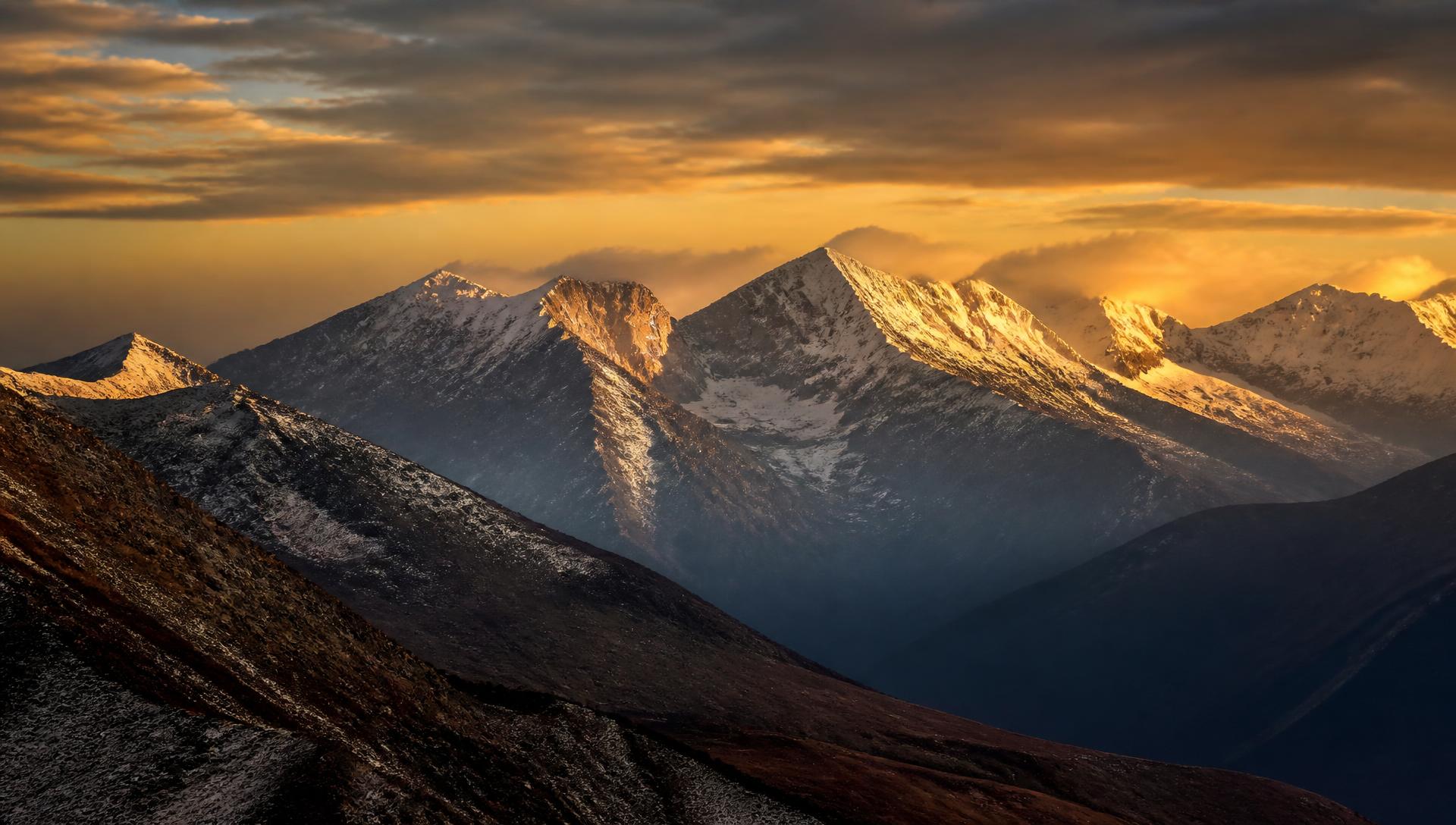
Most multi-day treks in Kyrgyzstan sit in the moderate to challenging range. The distances are rarely extreme, but altitude, rough underfoot conditions and a lack of built infrastructure make days harder than the same mileage would be in Western Europe.
If you can walk 6–7 hours over hilly ground on consecutive days and are comfortable with basic camping, a well-chosen Kyrgyz trek is realistic. Higher, longer routes need genuine hill fitness and previous altitude experience.
What actually makes it hard
- Altitude: many routes spend days above 3,000m and cross passes near 4,000m.
- Terrain: scree, moraine, boggy pasture and faint paths rather than graded trails.
- River crossings: meltwater-fed and highest in the afternoon; often done on foot or horseback.
- Remoteness: limited signal, few facilities, and long distances to the nearest road.
- Weather swings: warm sun, hail and near-freezing nights can all appear in one day.
How routes are usually graded
Moderate
Typically 4–6 hours of walking a day, up to around 3,200m, with modest ascent and no technical ground. Suitable for regular hillwalkers; a good first Central Asian trek.
Challenging
Six to eight hours a day, passes around 3,500–4,000m, sustained ascents of 800–1,200m and several nights camping. Requires consistent training beforehand.
Demanding
Long consecutive days, high camps, glacial terrain or exposed passes. Suitable only for experienced trekkers with previous high-altitude days behind them.
Altitude and how to handle it
Altitude affects fit and unfit people alike, and fitness is not protection. Mild headache, poor sleep and breathlessness on climbs are common above 3,000m; worsening symptoms mean descending.
- Give yourself an easy first day or two rather than climbing straight to a high camp.
- Walk at a pace where you can still hold a conversation.
- Drink steadily and eat more carbohydrate than feels necessary.
- Treat a route with a spare day as safer than one without.
Preparing physically
The most useful preparation is repeated hilly walking with a loaded pack, back to back, on consecutive weekends. Gym cardio helps, but it does not prepare knees and ankles for long descents on loose ground.
- Build to two consecutive days of 5–6 hours in hilly terrain.
- Train with the boots and pack you will actually use.
- Include descent practice; most injuries happen going down.
- Add step or stair sessions if you have no hills nearby.
If you want the landscape without the hardest days
Kyrgyzstan works well as a mixed trip: shorter walks based from a valley or lakeside stay, a horse-supported section, or a route where a vehicle carries the bags. Neighbouring Kazakhstan also offers shorter, more accessible days out within reach of Almaty.
Common questions
- Do I need technical mountaineering skills?
- Not for standard trekking routes. Some higher itineraries include glacier travel or steep snow, and those are treated as a separate category with different requirements.
- How heavy is the pack?
- It depends on the support arrangement. Where pack horses or a vehicle carry the main luggage you usually walk with a daypack; fully self-supported routes mean carrying camping kit yourself.
- Is Kyrgyzstan suitable for a first multi-day trek?
- Yes, if you choose a moderate route with modest altitude and support. It is not the place for a first attempt at a demanding high-pass crossing.
Where this applies
Related guides
Ready to explore Central Asia?
Tell us what kind of multi-day trek you're considering and we'll explore what may be possible.
Plan a bespoke trek